
Traumatic CSF Rhinorrhoea
Traumatic CSF Rhinorrhoea is a condition where cerebrospinal fluid (CSF) leaks from the brain through the nose, usually as a result of head trauma or skull base injury. Because CSF protects and cushions the brain, any leakage requires prompt medical evaluation and specialized neurosurgical care to prevent complications.
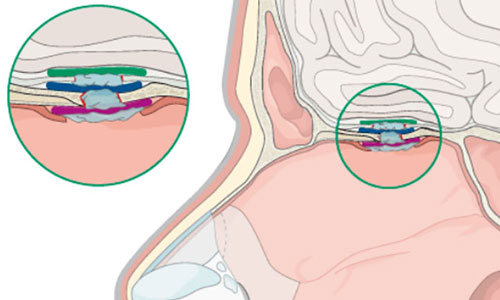
What Is CSF Rhinorrhoea?
Cerebrospinal fluid (CSF) is a clear fluid that surrounds and protects the brain and spinal cord. When an injury causes a fracture or defect in the skull base, CSF can leak into the nasal cavity and drain through the nose. This condition is known as CSF rhinorrhoea.
Common Causes
- Head trauma or road traffic accidents
- Skull base fractures
- Previous brain or sinus surgery
- Severe facial injuries
Symptoms
Symptoms may vary depending on the severity of the injury but often include:
- Clear watery fluid leaking from the nose
- Fluid leakage that increases when bending forward
- Salty or metallic taste in the mouth
- Headache
- Risk of recurrent meningitis if untreated
Diagnosis
Doctors use specialized tests and imaging studies to confirm CSF leakage and identify its source. These may include CT scans, MRI scans, and laboratory analysis of nasal fluid to detect CSF markers.
Treatment Options
Treatment depends on the cause and severity of the leak. Options may include:
- Conservative management with rest and monitoring
- Medications to reduce CSF pressure
- Endoscopic surgical repair of the skull base defect
- Microsurgical procedures in complex cases
Why Early Treatment Is Important
Untreated CSF leaks increase the risk of serious infections such as meningitis. Early diagnosis and timely surgical repair help prevent complications and restore the protective barrier around the brain.
Final Thoughts
Traumatic CSF Rhinorrhoea is a serious condition that requires prompt evaluation by an experienced neurosurgeon. With modern diagnostic tools and advanced surgical techniques, effective treatment can prevent complications and ensure safe recovery.