Brain Aneurysms
A brain aneurysm is a weakened or bulging area in the wall of a blood vessel in the brain. If the aneurysm ruptures, it can cause bleeding in the brain, which is a life-threatening medical emergency. Early diagnosis and timely treatment are essential to prevent complications and protect brain health.
What Is a Brain Aneurysm?
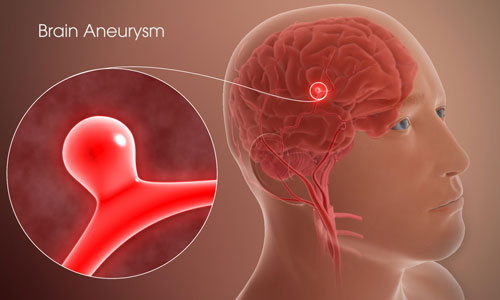
A brain aneurysm occurs when a weak spot in a blood vessel wall balloons outward due to pressure from blood flow. While some aneurysms remain stable and cause no symptoms, others may grow, leak, or rupture, leading to serious neurological problems.
Types of Brain Aneurysms
- Saccular Aneurysm (Berry Aneurysm) – The most common type, appearing as a round sac attached to a blood vessel
- Fusiform Aneurysm – A widening along the entire length of a blood vessel
- Dissecting Aneurysm – Occurs due to a tear in the inner layer of the blood vessel wall
Symptoms
Many aneurysms may not cause symptoms until they grow larger or rupture. Warning signs may include:
- Sudden severe headache
- Blurred or double vision
- Pain above or behind the eye
- Neck stiffness
- Nausea and vomiting
- Sensitivity to light
- Loss of consciousness in severe cases
Diagnosis
Doctors use advanced imaging tests to detect brain aneurysms and evaluate their size and location. These tests may include CT scans, MRI scans, CT angiography, and cerebral angiography.
Treatment Options
Treatment depends on the size, location, and risk of rupture. Options may include:
- Surgical clipping to close the aneurysm
- Endovascular coiling to block blood flow into the aneurysm
- Flow diversion devices
- Regular monitoring for small, stable aneurysms
Why Early Detection Matters
Detecting a brain aneurysm early can significantly reduce the risk of rupture and life-threatening complications. Timely treatment and expert neurosurgical care improve outcomes and protect neurological function.
Final Thoughts
Brain aneurysms require specialized evaluation and treatment by experienced neurosurgeons. With modern diagnostic tools and advanced surgical techniques, many aneurysms can be treated safely, helping patients lead healthier and safer lives.