
Acute Ischemic Stroke Treatment (Mechanical Thrombectomy)
An acute ischemic stroke occurs when a blood clot blocks an artery supplying blood to the brain, leading to sudden loss of brain function. Immediate medical treatment is critical because brain cells begin to suffer damage within minutes. Modern Neurointervention (Endovascular Neurosurgery) techniques such as Mechanical Thrombectomy allow doctors to quickly remove the clot and restore blood flow to the brain. This advanced, minimally invasive procedure can significantly improve recovery and reduce the risk of permanent neurological damage when performed promptly.
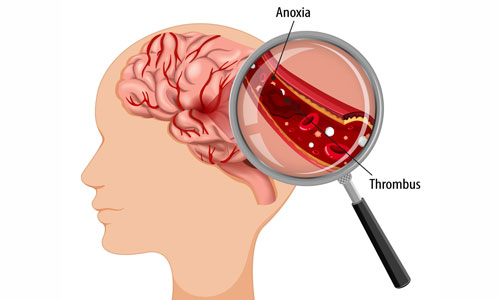
What is Acute Ischemic Stroke?
Acute ischemic stroke occurs when a blood clot blocks a major artery supplying oxygen and nutrients to the brain. Without proper blood flow, brain tissue begins to die, which may result in paralysis, speech problems, or loss of cognitive function.
Rapid diagnosis and immediate treatment are essential to minimize brain damage and improve patient outcomes.
What is Mechanical Thrombectomy?
Mechanical Thrombectomy is an advanced endovascular procedure used to remove a clot from a blocked brain artery. The procedure is performed by inserting a thin catheter through a blood vessel (usually in the groin or wrist) and guiding it to the blocked artery in the brain using advanced imaging techniques.
A specialized device is then used to capture and remove the clot, restoring blood flow to the affected area of the brain.
Common Symptoms of Stroke
- Sudden weakness or numbness in the face, arm, or leg
- Difficulty speaking or understanding speech
- Sudden loss of vision in one or both eyes
- Severe headache with no known cause
- Loss of balance or coordination
- Sudden confusion or difficulty thinking
If any of these symptoms occur, immediate emergency medical attention is required.
Diagnosis
Rapid evaluation is critical in stroke management. Doctors perform urgent diagnostic tests to confirm the presence and location of the clot and determine the best treatment option.
- CT Scan – To detect bleeding or stroke-related brain changes
- MRI Scan – To assess the extent of brain injury
- CT Angiography – To visualize blocked blood vessels
- Cerebral Angiography – Detailed imaging of brain arteries
Endovascular Stroke Treatment
Mechanical thrombectomy is performed in a specialized neurointervention suite. Through a small puncture in a blood vessel, doctors navigate a catheter to the blocked artery in the brain using real-time imaging guidance.
Specialized devices such as stent retrievers or aspiration catheters are used to remove the clot and restore normal blood circulation. The procedure is minimally invasive and avoids the need for open brain surgery.
Benefits of Mechanical Thrombectomy
- Rapid restoration of blood flow to the brain
- Improved chances of neurological recovery
- Minimally invasive endovascular procedure
- Reduced risk of permanent disability
- Shorter hospital stay compared to traditional treatments
Importance of Early Treatment
Stroke treatment is extremely time-sensitive. The earlier the clot is removed, the better the chances of recovery. Mechanical thrombectomy is most effective when performed within a specific treatment window after the onset of stroke symptoms.
That is why access to 24x7 emergency neurointervention services is essential for saving brain function and preventing long-term disability.
Final Thoughts
Acute ischemic stroke is a medical emergency that requires immediate attention. Advanced neurointervention procedures such as mechanical thrombectomy provide a highly effective treatment option for restoring blood flow to the brain. With rapid diagnosis and timely intervention, patients can achieve better neurological recovery and improved quality of life.