
Intracranial Stenting
Intracranial stenting is an advanced neurointervention (endovascular neurosurgery) procedure used to treat narrowing or blockage of arteries within the brain. When brain arteries become severely narrowed due to atherosclerosis or other vascular conditions, the risk of stroke increases significantly. Intracranial stenting helps restore proper blood flow to the brain by placing a tiny expandable stent inside the affected artery.
This minimally invasive procedure is performed through blood vessels using specialized catheters and imaging guidance, eliminating the need for open brain surgery while providing precise treatment of complex cerebrovascular conditions.
What is Intracranial Artery Stenosis?
Intracranial artery stenosis refers to the narrowing of arteries located inside the brain. This narrowing reduces blood flow and increases the risk of ischemic stroke or transient ischemic attacks (TIA). If left untreated, the reduced blood supply can lead to serious neurological complications.
Common Causes of Intracranial Artery Narrowing
- Atherosclerosis (plaque buildup in brain arteries)
- Previous stroke or transient ischemic attack (TIA)
- High blood pressure
- Diabetes
- High cholesterol levels
- Smoking and lifestyle factors
Symptoms of Intracranial Artery Stenosis
- Sudden weakness or numbness in face, arm, or leg
- Difficulty speaking or understanding speech
- Vision disturbances
- Loss of balance or coordination
- Frequent transient ischemic attacks (mini-strokes)
- Severe headaches
Diagnosis
Early diagnosis plays an important role in preventing stroke. Doctors use advanced imaging tests to evaluate blood vessels in the brain and identify areas of narrowing or blockage.
- CT Angiography (CTA) – Detailed imaging of brain arteries
- MR Angiography (MRA) – Non-invasive imaging of blood vessels
- Cerebral Angiography – Gold standard imaging test for evaluating brain circulation
Intracranial Stenting Procedure
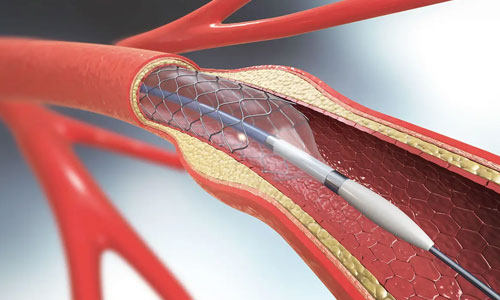
Intracranial stenting is performed through a minimally invasive endovascular approach. A small catheter is inserted through a blood vessel, usually in the groin or wrist, and carefully navigated to the narrowed artery in the brain using advanced imaging technology.
Once the catheter reaches the affected area, a tiny mesh-like stent is placed inside the artery. The stent expands and supports the artery walls, improving blood flow and reducing the risk of stroke.
Benefits of Endovascular Intracranial Stenting
- Minimally invasive procedure
- No need for open brain surgery
- Improved blood flow to the brain
- Reduced risk of future strokes
- Shorter hospital stay
- Faster recovery compared to traditional surgery
Post-Procedure Care
After the procedure, patients are monitored closely to ensure proper blood flow and prevent complications. Medications may be prescribed to prevent clot formation and maintain healthy circulation. Regular follow-up visits and imaging studies help ensure the long-term success of the treatment.
Final Thoughts
Intracranial stenting is an important neurointervention procedure for patients with significant narrowing of brain arteries. By restoring blood flow and reducing stroke risk, this minimally invasive treatment can help protect brain function and improve long-term neurological health. Early evaluation and timely intervention are essential for the best outcomes.