Epilepsy Surgery
Epilepsy surgery is an advanced treatment option for patients whose seizures cannot be controlled with medications. The goal of surgery is to remove or modify the area of the brain responsible for causing seizures, helping patients achieve better seizure control and improve their quality of life.
What Is Epilepsy?
Epilepsy is a neurological disorder characterized by repeated seizures caused by abnormal electrical activity in the brain. While many patients respond well to anti-seizure medications, some continue to experience seizures despite proper treatment. In such cases, surgical intervention may be recommended.
When Is Epilepsy Surgery Considered?
Surgery may be considered when:
- Seizures are not controlled with medications
- The seizures originate from a specific area of the brain
- Seizures significantly affect daily life and safety
- Advanced diagnostic tests identify a treatable focus
Types of Epilepsy Surgery
- Resective Surgery – Removing the small area of brain tissue causing seizures
- Laser Ablation – Minimally invasive technique using heat to destroy seizure-causing tissue
- Corpus Callosotomy – Disconnecting communication between brain hemispheres to reduce seizure spread
- Neurostimulation Procedures – Implantable devices that help regulate abnormal brain activity
Pre-Surgical Evaluation
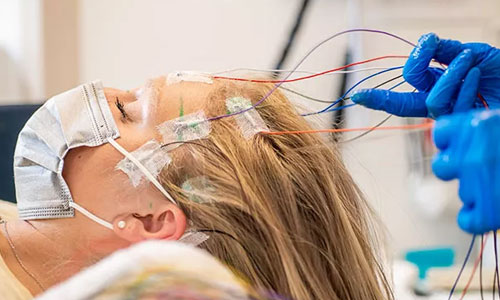
Before surgery, patients undergo a comprehensive evaluation which may include MRI scans, EEG monitoring, video EEG studies, neuropsychological testing, and other advanced imaging techniques to precisely identify the seizure focus.
Benefits of Epilepsy Surgery
- Significant reduction or complete control of seizures
- Improved quality of life
- Reduced dependence on medications
- Better cognitive and psychological well-being
Recovery and Follow-Up Care
Recovery varies depending on the type of surgery performed. Most patients require continued monitoring, follow-up visits, and sometimes medications for a period after surgery to ensure long-term seizure control.
Final Thoughts
Epilepsy surgery can be life-changing for patients with drug-resistant seizures. With careful evaluation, advanced surgical techniques, and expert neurological care, many patients achieve significant seizure reduction and a better quality of life.