Emergency Neuro-Trauma Care (ICU Care)
Emergency Neuro-Trauma Care focuses on the rapid diagnosis, intensive monitoring, and advanced treatment of severe brain and spinal injuries. Patients with traumatic neurological conditions require immediate medical attention and specialized Neuro-Critical Care to prevent further damage and improve survival and recovery outcomes.
Modern Neuro-Critical Care Units (Neuro ICU) are equipped with advanced monitoring systems, life-support technologies, and specialized medical teams trained to manage complex neurological emergencies around the clock.
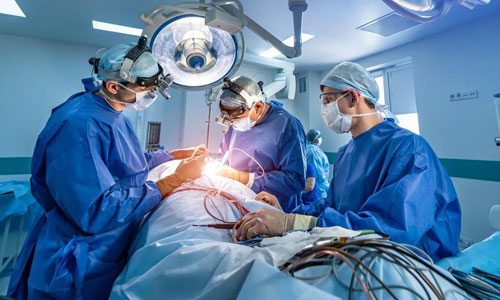
What is Neuro-Trauma?
Neuro-trauma refers to injuries that affect the brain, spinal cord, or nervous system due to accidents, falls, sports injuries, or other forms of trauma. These injuries can lead to serious neurological complications if not treated immediately.
Emergency neuro-trauma management focuses on stabilizing the patient, preventing secondary brain injury, and providing continuous neurological monitoring in the intensive care unit.
Conditions Treated in Neuro-Trauma ICU
The Neuro-Critical Care Unit manages a wide range of serious neurological emergencies.
- Severe traumatic brain injury (TBI)
- Head injuries such as epidural or subdural hematoma
- Brain swelling or intracranial pressure
- Spinal cord injuries
- Severe stroke and hemorrhage
- Post-neurosurgery intensive care
- Neurological complications after accidents
Advanced Neuro-Critical Care Monitoring
Neuro-ICU care involves continuous monitoring of vital neurological functions to detect changes in brain activity and prevent complications.
- Intracranial pressure monitoring (ICP)
- Continuous neurological assessment
- Advanced brain imaging
- Ventilator support for critical patients
- Hemodynamic monitoring
These advanced monitoring systems allow doctors to respond quickly to any changes in the patient’s neurological condition.
Emergency Treatment & Stabilization
Emergency neuro-trauma care involves rapid stabilization of the patient to protect the brain and spinal cord from further injury.
- Immediate trauma assessment
- Emergency neurosurgical intervention if required
- Control of brain swelling and bleeding
- Stabilization of spinal injuries
- Life-support and ventilator management
Neuro-Rehabilitation Support
After the critical phase, patients may require neurological rehabilitation to regain lost functions and improve quality of life. Early rehabilitation can significantly improve recovery outcomes.
- Physical therapy for mobility recovery
- Speech and cognitive rehabilitation
- Neurological rehabilitation programs
- Long-term recovery planning
Rehabilitation specialists work closely with neurosurgeons and critical care teams to create personalized recovery plans.
Benefits of Specialized Neuro-Critical Care
- 24/7 intensive neurological monitoring
- Rapid response to neurological emergencies
- Advanced life-support technologies
- Multidisciplinary medical care
- Improved survival and recovery outcomes
Post-ICU Recovery & Follow-Up
After stabilization and ICU care, patients continue with neurological follow-up evaluations. Doctors monitor recovery progress and provide guidance for rehabilitation and long-term neurological health.
Regular follow-ups and imaging studies may be recommended to ensure proper healing and prevent complications.
Final Thoughts
Emergency Neuro-Trauma Care with specialized ICU support plays a critical role in saving lives and protecting brain function after serious neurological injuries. Early intervention, advanced monitoring, and comprehensive rehabilitation can significantly improve patient outcomes and long-term recovery.