
Hybrid Neurosurgery & Neurointervention Approach
Hybrid Neurosurgery & Neurointervention is an advanced treatment approach that combines traditional neurosurgical techniques with minimally invasive endovascular procedures. This integrated method allows specialists to treat complex brain and spinal vascular conditions using both surgical and catheter-based techniques, improving precision and patient outcomes.
Neurointervention (Endovascular Neurosurgery) uses specialized catheters that are guided through blood vessels to reach the brain or spinal cord. When combined with microsurgical neurosurgery, doctors can manage difficult neurovascular conditions more effectively while minimizing surgical risks.
What is Hybrid Neurosurgery?
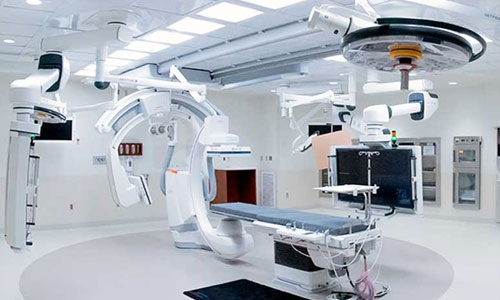
Hybrid neurosurgery refers to the combination of open neurosurgical procedures and endovascular neurointerventional treatments to manage complex neurological disorders. These procedures may be performed sequentially or sometimes in a specialized hybrid operating room where both technologies are available.
This approach is particularly beneficial for patients with complicated vascular conditions that require both direct surgical access and minimally invasive catheter-based treatment.
Conditions Treated with Hybrid Neurosurgery
The hybrid neurosurgical approach is used to treat a variety of complex neurological and vascular conditions.
- Complex brain aneurysms
- Arteriovenous malformations (AVM)
- Dural arteriovenous fistulas
- Complex stroke-related vascular conditions
- Skull base tumors with vascular involvement
- Spinal vascular malformations
Neurointervention Techniques Used
Endovascular procedures play a major role in hybrid neurosurgery. These techniques allow doctors to treat abnormal blood vessels through tiny catheters inserted into the body’s vascular system.
- Aneurysm coiling
- Flow diverter placement
- Vascular embolization
- Mechanical thrombectomy for stroke
- Intracranial and extracranial stenting
These procedures are performed using real-time imaging guidance to ensure precise treatment.
Microsurgical Procedures in Hybrid Treatment
In some cases, open neurosurgery is combined with neurointervention to achieve the best treatment outcome.
- Microsurgical aneurysm clipping
- AVM surgical removal
- Tumor excision
- Cerebral bypass surgery
By combining both approaches, surgeons can manage complex conditions that may not be treatable with a single technique.
Benefits of Hybrid Neurosurgery
- Comprehensive treatment for complex neurovascular conditions
- Minimally invasive techniques combined with surgical precision
- Reduced surgical risk and complications
- Better visualization of brain and spinal blood vessels
- Improved treatment success rates
- Faster recovery and shorter hospital stay
Advanced Technology Used
Hybrid neurosurgery relies on modern imaging and surgical technologies that allow doctors to perform highly accurate procedures.
- Digital subtraction angiography (DSA)
- High-resolution intraoperative imaging
- Endovascular catheter navigation systems
- Microsurgical neuro-navigation technology
- Hybrid operating room facilities
Post-Treatment Care
After hybrid neurosurgery, patients are closely monitored to ensure proper recovery and neurological stability. Follow-up imaging studies may be recommended to evaluate blood flow, confirm treatment success, and prevent recurrence of vascular abnormalities.
Rehabilitation or supportive therapy may be advised depending on the patient’s condition and recovery progress.
Final Thoughts
Hybrid Neurosurgery & Neurointervention represents a major advancement in the treatment of complex neurological and vascular disorders. By combining minimally invasive endovascular techniques with advanced neurosurgical procedures, doctors can offer safer and more effective treatment options for patients with challenging brain and spinal conditions.