
Spinal Canal Stenosis
Spinal canal stenosis is a condition in which the spinal canal narrows and puts pressure on the spinal cord or nearby nerves. This pressure can lead to back pain, leg pain, numbness, and difficulty walking. Modern minimally invasive spine surgery techniques, including endoscopic and robotic-assisted procedures, provide effective treatment with greater precision, smaller incisions, and faster recovery.
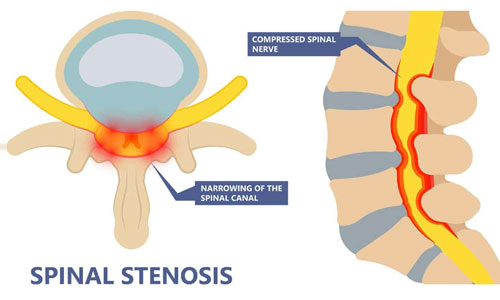
What Is Spinal Canal Stenosis?
The spinal canal is the hollow space within the spine that houses the spinal cord and nerve roots. When this space becomes narrowed due to degenerative changes or structural problems, it can compress the nerves and cause various neurological symptoms. Spinal stenosis most commonly affects the cervical (neck) and lumbar (lower back) regions of the spine.
Common Causes
- Age-related degenerative changes in the spine
- Herniated or bulging discs
- Bone spurs (osteophytes)
- Thickened spinal ligaments
- Previous spinal injuries or trauma
Symptoms of Spinal Stenosis
- Persistent neck or lower back pain
- Numbness or tingling in arms or legs
- Weakness in the limbs
- Difficulty walking or maintaining balance
- Pain that improves when bending forward or sitting
When Surgery May Be Recommended
Many patients initially receive non-surgical treatment such as medications, physiotherapy, and lifestyle modifications. However, if symptoms persist or worsen and significantly affect daily activities, minimally invasive surgical treatment may be recommended to relieve pressure on the nerves.
Minimally Invasive Spine Surgery
Minimally invasive spine surgery allows surgeons to treat spinal stenosis using small incisions and specialized instruments. These advanced techniques reduce muscle damage and allow precise removal of the structures compressing the nerves.
Advanced Surgical Techniques
- Endoscopic Spine Surgery – A small camera and instruments are inserted through a tiny incision to remove bone or tissue pressing on the nerve.
- Robotic-Assisted Spine Surgery – Robotic technology enhances surgical precision and accuracy during complex spine procedures.
- Minimally Invasive Decompression – Removes bone spurs, thickened ligaments, or disc fragments causing nerve compression.
Benefits of Minimally Invasive Surgery
- Smaller surgical incisions
- Less muscle and tissue damage
- Reduced blood loss
- Shorter hospital stay
- Faster recovery and return to normal activities
Diagnosis
Accurate diagnosis is essential for proper treatment planning. Imaging tests such as MRI scans, CT scans, and X-rays help identify the location and severity of spinal narrowing and guide the most appropriate surgical approach.
Final Thoughts
Spinal canal stenosis can significantly affect mobility and quality of life if left untreated. With modern minimally invasive spine surgery techniques, including endoscopic and robotic-assisted procedures, patients can benefit from effective nerve decompression, reduced recovery time, and improved long-term spinal health.