Head Injury (EDH, SDH, Contusions, etc.)
Head injuries are among the most common neurological emergencies and can occur due to accidents, falls, sports injuries, or trauma. Depending on the severity, head injuries may cause bleeding, swelling, or damage to brain tissue, requiring immediate medical evaluation and specialized neurosurgical care.
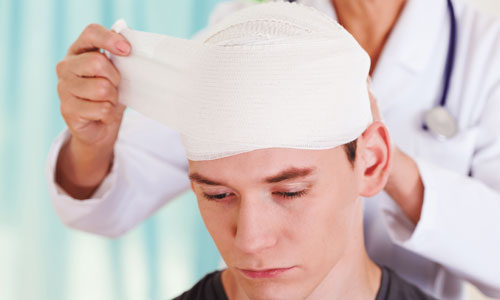
What Is a Head Injury?
A head injury refers to any trauma affecting the scalp, skull, or brain. While some injuries may be mild, others can cause serious complications such as bleeding inside the skull or brain damage. Prompt diagnosis and treatment are essential to prevent long-term neurological problems.
Common Types of Head Injuries
- Epidural Hematoma (EDH) – Bleeding between the skull and the outer protective layer of the brain
- Subdural Hematoma (SDH) – Bleeding between the brain and its protective covering
- Cerebral Contusion – Bruising of brain tissue caused by direct trauma
- Diffuse Axonal Injury – Widespread damage to brain cells due to severe impact
Symptoms of Head Injury
Symptoms can vary depending on the severity of the injury but may include:
- Severe or persistent headache
- Loss of consciousness
- Nausea or vomiting
- Confusion or memory problems
- Seizures
- Weakness or numbness in limbs
- Difficulty speaking or understanding speech
Diagnosis
Accurate diagnosis is essential to determine the type and severity of injury. Doctors typically use imaging techniques such as CT scans or MRI scans to identify bleeding, swelling, or structural damage in the brain.
Treatment Options
Treatment depends on the nature and severity of the injury. Options may include:
- Close monitoring for mild injuries
- Medications to reduce brain swelling
- Surgical removal of blood clots
- Emergency neurosurgery to relieve pressure on the brain
- Rehabilitation therapy for recovery
Why Immediate Care Is Critical
Head injuries can worsen quickly if not treated promptly. Early medical intervention helps prevent permanent brain damage, improves recovery outcomes, and may save lives in severe cases.
Final Thoughts
Head injuries require prompt medical attention and expert neurosurgical evaluation. With timely diagnosis, advanced treatment methods, and comprehensive care, many patients can recover successfully and regain normal neurological function.