Arteriovenous Malformation (AVM)
Arteriovenous Malformation (AVM) is a rare condition where abnormal connections form between arteries and veins in the brain, bypassing the normal capillary network. This can disrupt normal blood flow and oxygen circulation, increasing the risk of bleeding in the brain and other neurological complications.
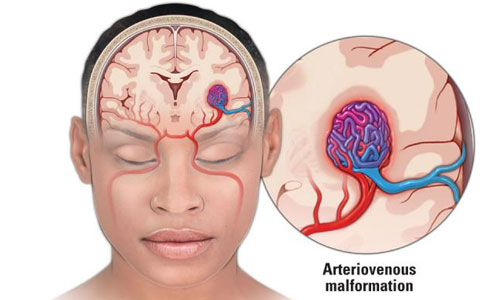
What Is an AVM?
An AVM is a tangled network of blood vessels where arteries connect directly to veins without the normal capillaries in between. This abnormal structure can place extra pressure on blood vessel walls and may lead to rupture, causing bleeding in the brain.
Symptoms of AVM
Some people with AVM may not experience symptoms until complications occur. When symptoms appear, they may include:
- Seizures
- Severe or persistent headaches
- Weakness or numbness in parts of the body
- Difficulty speaking or understanding speech
- Vision problems
- Sudden brain hemorrhage in severe cases
Diagnosis
AVMs are typically diagnosed using advanced imaging techniques that allow doctors to visualize the brain’s blood vessels and identify abnormalities. Common diagnostic tests include:
- MRI (Magnetic Resonance Imaging)
- CT Scan
- CT Angiography
- Cerebral Angiography
Treatment Options
The treatment approach depends on the size, location, and risk of bleeding associated with the AVM. Treatment options may include:
- Microsurgical removal of the AVM
- Endovascular embolization to block abnormal blood vessels
- Stereotactic radiosurgery for targeted treatment
- Careful monitoring in selected cases
Why Early Detection Is Important
Early identification and management of AVM can reduce the risk of brain hemorrhage and other serious complications. Proper evaluation by an experienced neurosurgeon helps determine the safest and most effective treatment approach.
Final Thoughts
Arteriovenous Malformation (AVM) is a complex vascular condition that requires specialized neurosurgical care. With modern imaging, advanced surgical techniques, and personalized treatment planning, many patients can receive effective treatment and improved long-term outcomes.