
Spinal Tumor Embolization
Spinal tumor embolization is an advanced procedure performed under Neurointervention (Endovascular Neurosurgery) to reduce blood supply to spinal tumors. Many spinal tumors are highly vascular, meaning they receive a significant amount of blood flow. Embolization helps block the blood vessels feeding the tumor, making surgical removal safer and reducing the risk of excessive bleeding.
This minimally invasive technique is performed through the blood vessels using specialized catheters and imaging guidance. By cutting off the tumor’s blood supply, embolization can shrink the tumor, relieve symptoms, and improve the success of subsequent spinal surgery if required.
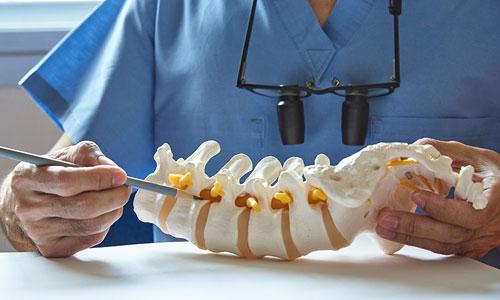
What is a Spinal Tumor?
A spinal tumor is an abnormal growth of cells within or around the spinal cord and spinal column. These tumors may be benign (non-cancerous) or malignant (cancerous). As the tumor grows, it can compress the spinal cord or nerves, leading to pain, weakness, and neurological symptoms.
Types of Spinal Tumors
- Primary Spinal Tumors – Tumors that originate in the spine or spinal cord.
- Metastatic Spinal Tumors – Tumors that spread to the spine from other parts of the body.
- Highly Vascular Tumors – Tumors with increased blood supply that may benefit from embolization before surgery.
Symptoms of Spinal Tumors
- Persistent back or neck pain
- Weakness or numbness in the arms or legs
- Difficulty walking or maintaining balance
- Loss of sensation or coordination
- Bladder or bowel dysfunction in severe cases
Diagnosis
Accurate diagnosis is essential for proper treatment planning. Doctors use advanced imaging techniques to evaluate the size, location, and vascularity of the tumor.
- MRI Scan – Detailed imaging of the spinal cord and surrounding tissues
- CT Scan – Evaluation of spinal bone structures
- Spinal Angiography – Specialized imaging to identify blood vessels supplying the tumor
Endovascular Embolization Procedure
Spinal tumor embolization is performed through a minimally invasive endovascular approach. A thin catheter is inserted through a blood vessel, usually in the groin, and carefully guided to the arteries supplying the tumor using real-time imaging.
Once the catheter reaches the targeted vessels, special embolic materials such as particles, coils, or medical glue are injected to block the blood supply feeding the tumor. This reduces bleeding risk and prepares the tumor for safer surgical removal if necessary.
Benefits of Spinal Tumor Embolization
- Minimally invasive endovascular treatment
- Reduces blood supply to the tumor
- Decreases surgical bleeding risk
- Improves safety of spinal tumor surgery
- Shorter hospital stay
- Faster recovery compared to traditional procedures
Post-Procedure Care
After embolization, patients are monitored to ensure stable circulation and recovery. Additional treatments such as spinal tumor surgery, radiation therapy, or further neurointervention procedures may be recommended depending on the type and size of the tumor.
Final Thoughts
Spinal tumor embolization is a highly specialized neurointervention procedure that plays an important role in the management of vascular spinal tumors. By reducing blood supply to the tumor, this minimally invasive technique improves surgical safety, reduces complications, and enhances overall treatment outcomes for patients with spinal tumors.