
Post-Operative Rehabilitation Planning
Post-Operative Rehabilitation Planning is an essential part of recovery after neurological surgery or critical neurological treatment. Patients who undergo brain or spine procedures often require specialized rehabilitation programs to regain strength, mobility, and neurological function.
Neuro-Rehabilitation focuses on helping patients recover physical, cognitive, and functional abilities through structured therapy programs designed by medical specialists. A well-planned rehabilitation strategy improves recovery outcomes and enhances the patient’s quality of life.
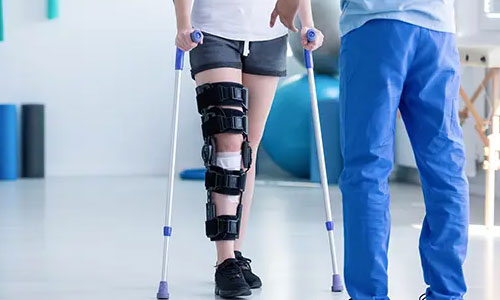
Importance of Post-Surgical Rehabilitation
After neurosurgical procedures or intensive neuro-critical care, patients may experience temporary or long-term neurological challenges such as weakness, coordination problems, speech difficulties, or cognitive changes. Rehabilitation planning ensures that patients receive the necessary support and therapy to restore normal function.
Early rehabilitation intervention plays a vital role in promoting faster recovery and preventing long-term complications.
Conditions That May Require Neuro-Rehabilitation
Post-operative rehabilitation programs are commonly recommended for patients recovering from various neurological conditions.
- Brain tumor surgery
- Spinal surgery and spinal cord injury
- Stroke recovery
- Traumatic brain injury
- Complex neurological surgeries
- Post-intensive care neurological recovery
Components of Neuro-Rehabilitation
A comprehensive rehabilitation plan addresses multiple aspects of neurological recovery through specialized therapies.
- Physical Therapy: Helps restore strength, mobility, and balance.
- Occupational Therapy: Focuses on improving daily functional activities.
- Speech and Language Therapy: Assists patients with communication and swallowing difficulties.
- Cognitive Rehabilitation: Supports memory, attention, and problem-solving abilities.
These therapies are carefully tailored according to the patient’s condition, surgical procedure, and recovery goals.
Personalized Recovery Planning
Each patient receives an individualized rehabilitation program based on their neurological condition and recovery needs. The rehabilitation team works closely with neurosurgeons, neurologists, and therapists to monitor progress and adjust treatment plans as needed.
- Assessment of neurological function
- Customized rehabilitation goals
- Progress monitoring and therapy adjustments
- Patient and family education
Benefits of Structured Rehabilitation
- Faster recovery after neurological surgery
- Improved mobility and independence
- Better cognitive and communication abilities
- Reduced risk of long-term disability
- Enhanced quality of life for patients
Long-Term Recovery Support
Recovery from neurological surgery may take time, and ongoing rehabilitation support helps patients gradually regain normal function. Regular follow-up consultations and therapy sessions ensure that patients continue to progress toward their recovery goals.
Family members are also guided on how to support the patient during the rehabilitation journey and assist with home-based recovery exercises.
Final Thoughts
Post-Operative Rehabilitation Planning plays a vital role in helping patients recover successfully after neurological surgery or intensive care treatment. With structured therapy programs and continuous medical support, patients can regain independence, improve neurological function, and return to a better quality of life.