
Spinal Dislocation (Spondylolisthesis)
Spinal dislocation, medically known as spondylolisthesis, occurs when one vertebra slips forward or backward over the vertebra below it. This displacement can put pressure on nearby nerves and cause pain, instability, and neurological symptoms. Early diagnosis and proper treatment are important to prevent worsening of the condition.
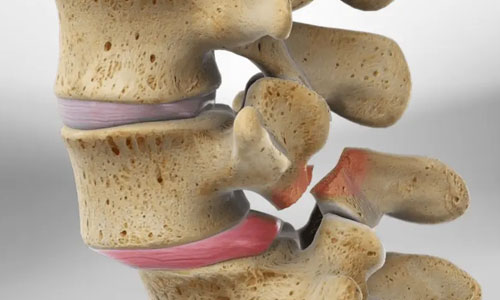
What Is Spondylolisthesis?
Spondylolisthesis is a condition in which a vertebra moves out of its normal position in the spine. This shift can affect the stability of the spinal column and may compress nerves that travel through the spine, leading to pain and other neurological symptoms.
Common Causes
- Degenerative changes in the spine due to aging
- Congenital defects in the vertebrae
- Spinal injuries or trauma
- Repetitive stress from certain sports or activities
- Spinal fractures or structural weakness
Symptoms of Spinal Dislocation
Symptoms can vary depending on the severity of the vertebral displacement but may include:
- Lower back pain
- Stiffness or reduced flexibility in the spine
- Numbness or tingling in the legs
- Muscle weakness in the lower limbs
- Sciatica or nerve-related leg pain
Diagnosis
Doctors diagnose spondylolisthesis through a physical examination and imaging studies. X-rays, CT scans, or MRI scans help determine the degree of vertebral slippage and evaluate nerve compression.
Treatment Options
Treatment depends on the severity of symptoms and the extent of spinal instability. Options may include:
- Physical therapy and strengthening exercises
- Pain management and anti-inflammatory medications
- Spinal bracing for support
- Minimally invasive spine surgery
- Spinal decompression and fusion surgery in severe cases
Why Early Treatment Matters
If left untreated, spinal dislocation can worsen over time and lead to chronic pain or nerve damage. Early diagnosis and appropriate treatment help stabilize the spine and prevent long-term complications.
Final Thoughts
Spinal dislocation (spondylolisthesis) can significantly affect mobility and quality of life. With timely evaluation, advanced imaging, and modern treatment techniques, many patients experience effective symptom relief and improved spinal stability.