
Slip Disc (Cervical, Thoracic, Lumbar)
A slip disc, also known as a herniated or prolapsed disc, occurs when the soft inner portion of a spinal disc pushes through its outer layer and presses on nearby nerves. This condition can cause severe neck or back pain, numbness, and weakness in the arms or legs. Modern minimally invasive spine surgery, including endoscopic and robotic-assisted techniques, offers effective treatment with smaller incisions, faster recovery, and minimal tissue damage.
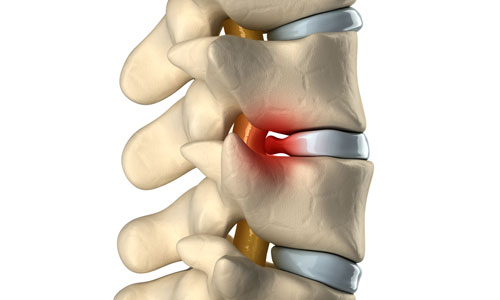
What Is a Slip Disc?
The spine is made up of vertebrae separated by discs that act as cushions and shock absorbers. When a disc becomes damaged or weakened, its inner gel-like material may bulge or rupture outward, compressing nearby nerves. This condition is commonly referred to as a slip disc or herniated disc.
Types of Slip Disc
- Cervical Disc Herniation – Occurs in the neck region and may cause neck pain, shoulder pain, and numbness in the arms.
- Thoracic Disc Herniation – A less common condition affecting the middle back, sometimes causing chest or upper back discomfort.
- Lumbar Disc Herniation – The most common type, causing lower back pain, sciatica, and leg weakness.
Common Symptoms
- Persistent neck or lower back pain
- Pain radiating to arms or legs
- Numbness or tingling sensations
- Muscle weakness
- Difficulty standing, walking, or performing daily activities
Minimally Invasive Spine Surgery
When conservative treatments such as medication, physiotherapy, or injections do not provide relief, minimally invasive spine surgery may be recommended. These modern surgical techniques allow surgeons to treat the affected disc with greater precision while minimizing damage to surrounding muscles and tissues.
Advanced Treatment Techniques
- Endoscopic Spine Surgery – A small camera and specialized instruments are inserted through tiny incisions to remove the herniated disc material.
- Robotic-Assisted Spine Surgery – Advanced robotic systems provide precise guidance during surgery, improving accuracy and safety.
- Microdiscectomy – A minimally invasive procedure to remove the portion of the disc pressing on the nerve.
Benefits of Minimally Invasive Techniques
- Smaller surgical incisions
- Less muscle and tissue damage
- Reduced blood loss during surgery
- Shorter hospital stay
- Faster recovery and return to daily activities
Diagnosis
Accurate diagnosis is essential for proper treatment planning. Doctors typically use imaging studies such as MRI scans, CT scans, and X-rays to identify the location and severity of the disc herniation and determine the most suitable treatment approach.
Final Thoughts
Slip disc conditions affecting the cervical, thoracic, or lumbar spine can significantly impact daily life. With modern minimally invasive spine surgery techniques such as endoscopic and robotic-assisted procedures, patients can benefit from effective treatment, reduced recovery time, and improved long-term spinal health.