
Brain Hemorrhage (Minimally Invasive Techniques)
A brain hemorrhage occurs when a blood vessel in the brain ruptures, causing bleeding within or around the brain tissue. This condition is a serious neurological emergency that can lead to increased pressure inside the skull, damage to brain cells, and life-threatening complications if not treated promptly.
Dr. Mayur G. Gharat provides expert evaluation and advanced treatment for brain hemorrhage using modern minimally invasive neurosurgical techniques. These procedures help control bleeding, relieve pressure on the brain, and improve recovery while minimizing surgical trauma.
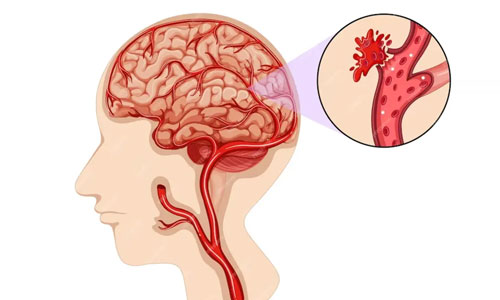
What Is a Brain Hemorrhage?
A brain hemorrhage is a type of stroke that occurs when a weakened or damaged blood vessel ruptures and leaks blood into the surrounding brain tissue. The accumulation of blood increases pressure within the skull and disrupts normal brain function.
Brain hemorrhages can occur in different areas of the brain, including intracerebral hemorrhage, subarachnoid hemorrhage, or bleeding related to trauma or vascular abnormalities.
Common Causes of Brain Hemorrhage
Several conditions can increase the risk of brain bleeding, including:
- High blood pressure (Hypertension)
- Head injury or trauma
- Brain aneurysms
- Arteriovenous malformations (AVM)
- Blood clotting disorders
- Certain medications such as blood thinners
Symptoms of Brain Hemorrhage
Symptoms may appear suddenly and require immediate medical attention:
- Sudden severe headache
- Nausea or vomiting
- Weakness or numbness on one side of the body
- Difficulty speaking or understanding speech
- Loss of balance or coordination
- Vision disturbances
- Loss of consciousness or confusion
Advanced Diagnostic Evaluation
Early and accurate diagnosis is essential for effective treatment. Modern imaging techniques help determine the location, size, and cause of the hemorrhage.
- CT Brain Scan (Emergency evaluation)
- MRI Brain Scan
- CT Angiography / MR Angiography
- Cerebral Angiography for vascular evaluation
- Comprehensive neurological examination
Minimally Invasive Treatment Techniques
Advances in neurosurgery have made it possible to treat certain brain hemorrhages using minimally invasive procedures. These techniques aim to remove accumulated blood, control the source of bleeding, and reduce pressure on the brain with minimal tissue disruption.
- Minimally invasive clot evacuation
- Endoscopic hematoma removal
- Image-guided neurosurgical procedures
- Endovascular treatment for bleeding vessels
- Neurocritical care monitoring
Benefits of Minimally Invasive Brain Surgery
Modern minimally invasive approaches help improve patient safety and recovery compared to traditional open procedures.
- Smaller surgical openings
- Reduced damage to surrounding brain tissue
- Lower risk of complications
- Faster recovery and rehabilitation
- Improved neurological outcomes
Expert Emergency Neurosurgical Care
Brain hemorrhage requires immediate evaluation and expert care. Dr. Mayur G. Gharat provides advanced neurosurgical management and minimally invasive treatment options to control bleeding, protect brain function, and support recovery. Early medical intervention plays a critical role in improving survival and long-term neurological outcomes.