
Spinal Tumor Surgery
Spinal tumors are abnormal growths that develop within or around the spinal cord and vertebrae. These tumors may be benign (non-cancerous) or malignant (cancerous) and can cause pressure on the spinal cord or nerves. Modern minimally invasive spine surgery, including endoscopic and robotic-assisted techniques, allows surgeons to remove spinal tumors with greater precision while minimizing damage to surrounding tissues.
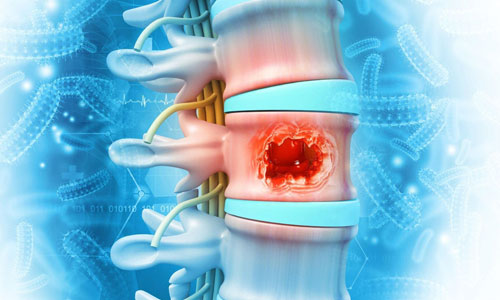
What Is a Spinal Tumor?
A spinal tumor is an abnormal mass of tissue that forms in or near the spine. These tumors may originate in the spine itself (primary tumors) or spread from other parts of the body (metastatic tumors). Depending on their size and location, spinal tumors can affect the spinal cord, nerves, or surrounding structures.
Types of Spinal Tumors
- Intramedullary Tumors – Tumors that develop within the spinal cord.
- Intradural-Extramedullary Tumors – Tumors located within the spinal canal but outside the spinal cord.
- Extradural Tumors – Tumors that develop in the vertebrae or surrounding bone structures.
Symptoms of Spinal Tumors
- Persistent back or neck pain
- Pain radiating to arms or legs
- Numbness or tingling sensations
- Muscle weakness or difficulty walking
- Loss of bladder or bowel control in severe cases
Diagnosis
Accurate diagnosis is essential for planning effective treatment. Doctors may use imaging studies such as MRI scans, CT scans, and X-rays to identify the tumor’s size, location, and effect on the spinal cord and nerves.
Minimally Invasive Spine Surgery
Advances in spine surgery now allow many spinal tumors to be treated using minimally invasive techniques. These procedures involve smaller incisions and specialized instruments, allowing surgeons to remove tumors while preserving surrounding muscles and tissues.
Advanced Surgical Techniques
- Endoscopic Spine Surgery – A small camera and instruments are inserted through tiny incisions to access and remove the tumor.
- Robotic-Assisted Spine Surgery – Robotic technology enhances surgical precision and helps guide accurate tumor removal and spinal stabilization.
- Minimally Invasive Tumor Resection – Targeted removal of tumor tissue while protecting critical spinal structures.
Benefits of Minimally Invasive Spine Surgery
- Smaller surgical incisions
- Less muscle and tissue damage
- Reduced blood loss
- Shorter hospital stay
- Faster recovery and rehabilitation
Final Thoughts
Spinal tumors require careful evaluation and specialized treatment to protect the spinal cord and maintain neurological function. With advanced minimally invasive spine surgery techniques such as endoscopic and robotic-assisted procedures, many patients can benefit from precise tumor removal, reduced surgical trauma, and improved recovery outcomes.