
Spinal Infections (TB, Discitis)
Spinal infections such as tuberculosis of the spine (Pott’s disease) and discitis can cause severe back pain, spinal instability, and nerve compression if not treated promptly. These infections affect the bones, discs, or surrounding tissues of the spine and may lead to serious complications. Modern minimally invasive spine surgery techniques, including endoscopic and robotic-assisted procedures, allow for accurate diagnosis, effective infection control, and spinal stabilization with minimal tissue damage.
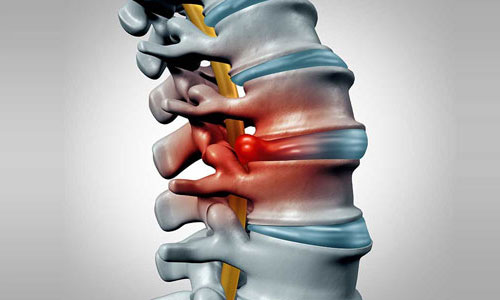
What Are Spinal Infections?
Spinal infections occur when bacteria, tuberculosis organisms, or other microorganisms infect the vertebrae, intervertebral discs, or surrounding tissues of the spine. These infections can weaken the spinal structures, cause inflammation, and compress nearby nerves or the spinal cord.
Common Types of Spinal Infections
- Spinal Tuberculosis (Pott’s Spine) – A form of tuberculosis that affects the vertebrae and can lead to spinal deformity.
- Discitis – Infection and inflammation of the intervertebral disc space.
- Vertebral Osteomyelitis – Infection of the vertebral bones.
- Spinal Epidural Abscess – Accumulation of pus around the spinal cord.
Symptoms of Spinal Infection
- Persistent or severe back pain
- Fever and general fatigue
- Localized tenderness over the spine
- Numbness or weakness in arms or legs
- Difficulty walking or maintaining balance
Diagnosis
Early diagnosis is essential to prevent complications. Doctors use imaging tests such as MRI scans, CT scans, and X-rays to detect infection in the spine. Blood tests and biopsy procedures may also be performed to identify the exact cause of the infection.
Minimally Invasive Spine Surgery
In cases where infection causes severe pain, spinal instability, abscess formation, or nerve compression, surgical treatment may be necessary. Minimally invasive spine surgery allows surgeons to access the infected area using small incisions while preserving surrounding muscles and tissues.
Advanced Surgical Techniques
- Endoscopic Spine Surgery – A small camera and instruments are used to remove infected tissue or drain abscesses through a tiny incision.
- Robotic-Assisted Spine Surgery – Robotic technology provides enhanced accuracy for spinal stabilization procedures.
- Minimally Invasive Debridement & Stabilization – Removal of infected tissue and stabilization of the spine to restore structural support.
Benefits of Minimally Invasive Techniques
- Smaller surgical incisions
- Reduced muscle and tissue damage
- Lower risk of complications
- Shorter hospital stay
- Faster recovery and rehabilitation
Final Thoughts
Spinal infections such as TB and discitis require prompt diagnosis and specialized treatment to prevent serious complications. With modern minimally invasive spine surgery techniques including endoscopic and robotic-assisted procedures, patients can receive precise treatment, effective infection control, and faster recovery while preserving spinal stability.