
Spine Fractures
Spine fractures occur when one or more vertebrae in the spinal column break due to trauma, accidents, falls, or conditions that weaken the bones. Depending on the severity, spine fractures can cause pain, instability, or even damage to the spinal cord, requiring immediate medical evaluation and specialized neurosurgical care.
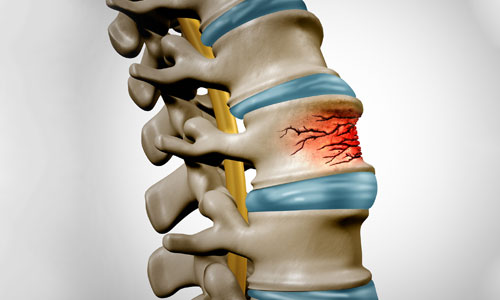
What Is a Spine Fracture?
A spine fracture refers to a break or crack in the vertebrae, the bones that form the spinal column. These fractures can affect the stability of the spine and may compress or injure nearby nerves or the spinal cord, potentially leading to neurological problems.
Common Causes
- Road traffic accidents
- Falls from height
- Sports-related injuries
- Osteoporosis or weakened bones
- Severe trauma or impact
Symptoms of Spine Fractures
Symptoms vary depending on the location and severity of the fracture but may include:
- Severe back or neck pain
- Difficulty moving or standing
- Numbness or tingling in the arms or legs
- Weakness in limbs
- Loss of bladder or bowel control in severe cases
Diagnosis
Doctors use imaging tests to determine the type and severity of the fracture. These may include X-rays, CT scans, or MRI scans to assess bone damage, spinal alignment, and potential nerve involvement.
Treatment Options
Treatment depends on the severity of the fracture and whether the spinal cord or nerves are affected. Options may include:
- Bracing and conservative management
- Pain management and physical therapy
- Minimally invasive spine procedures
- Surgical stabilization using screws or rods
Why Early Treatment Matters
Untreated spine fractures can lead to long-term pain, spinal deformity, or neurological damage. Early diagnosis and appropriate treatment help restore spinal stability and improve recovery outcomes.
Final Thoughts
Spine fractures require careful evaluation and timely treatment by experienced specialists. With modern diagnostic tools and advanced surgical techniques, many patients can recover well and return to normal activities.