
Spinal AVM Treatment
Spinal Arteriovenous Malformation (Spinal AVM) is a rare vascular condition in which abnormal connections form between arteries and veins in or around the spinal cord. These abnormal vessels disrupt normal blood circulation and may lead to spinal cord damage, neurological symptoms, or even bleeding. Modern Neurointervention (Endovascular Neurosurgery) techniques provide minimally invasive treatment options to manage spinal AVMs safely and effectively.
Endovascular treatment allows specialists to access the abnormal blood vessels using a catheter through the body’s vascular system. By blocking the abnormal connections, doctors can restore normal blood flow and reduce the risk of spinal cord injury.
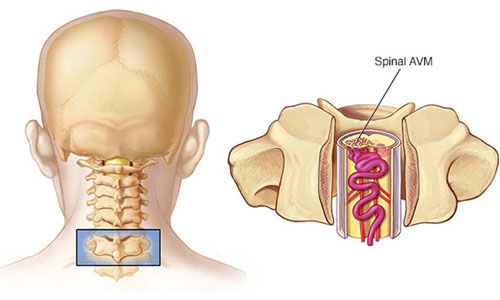
What is a Spinal AVM?
A Spinal Arteriovenous Malformation is an abnormal tangle of blood vessels in which arteries connect directly to veins without the normal capillary network. This creates high-pressure blood flow that can damage surrounding spinal cord tissue and affect nerve function.
Over time, this abnormal circulation may lead to reduced oxygen supply to the spinal cord and progressive neurological symptoms.
Causes of Spinal AVM
In many cases, spinal AVMs are believed to be congenital, meaning they develop before birth. However, the exact cause may not always be known.
- Congenital vascular abnormalities
- Abnormal development of spinal blood vessels
- Rarely associated with other vascular disorders
Symptoms of Spinal AVM
Symptoms often develop gradually as the abnormal vessels affect the spinal cord and surrounding nerves.
- Progressive back pain
- Weakness in the legs
- Numbness or tingling sensations
- Difficulty walking or maintaining balance
- Loss of bladder or bowel control in severe cases
- Sudden neurological symptoms if bleeding occurs
Diagnosis
Accurate diagnosis is essential to determine the location and complexity of the spinal AVM.
- MRI Scan – Detects abnormal blood vessels and spinal cord changes
- CT Scan – Evaluates spinal structure and associated abnormalities
- Spinal Angiography – Gold standard imaging technique to map abnormal blood vessels
Endovascular Treatment
Endovascular treatment is one of the most effective approaches for managing spinal AVMs. During the procedure, a thin catheter is inserted through a blood vessel in the groin and guided to the abnormal vessels near the spinal cord using real-time imaging.
Once the catheter reaches the targeted area, special embolic materials such as medical glue, particles, or coils are injected to block the abnormal connection between arteries and veins.
This helps reduce abnormal blood flow and protects the spinal cord from further damage.
Benefits of Endovascular Neurointervention
- Minimally invasive treatment
- No large surgical incisions
- Reduced risk of spinal cord damage
- Shorter hospital stay
- Faster recovery compared to open surgery
Post-Treatment Care
After treatment, patients are monitored carefully to ensure stable blood circulation and neurological recovery. Follow-up imaging may be recommended to confirm that the abnormal vessels have been successfully treated and to monitor long-term outcomes.
Final Thoughts
Spinal AVM treatment through neurointervention offers a highly precise and minimally invasive solution for managing complex vascular conditions of the spinal cord. Early diagnosis and appropriate treatment are essential to prevent permanent neurological damage and improve patient outcomes.