
Sciatica & Nerve Compression
Sciatica and nerve compression are common spinal conditions that occur when nerves in the spine become irritated or compressed, often causing pain that radiates from the lower back down to the legs. When conservative treatments do not provide sufficient relief, minimally invasive spine surgery using advanced endoscopic and robotic-assisted techniques can effectively relieve nerve pressure and restore mobility.
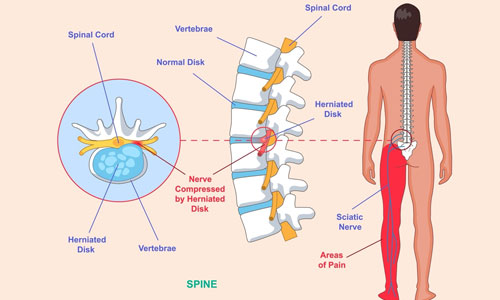
What Is Sciatica?
Sciatica refers to pain caused by irritation or compression of the sciatic nerve, the longest nerve in the body. This nerve travels from the lower back through the hips and down each leg. When compressed, it can cause significant discomfort and affect daily activities.
Common Causes of Nerve Compression
- Herniated or slipped disc
- Spinal stenosis (narrowing of the spinal canal)
- Degenerative spine disease
- Bone spurs pressing on spinal nerves
- Spinal injuries or trauma
Symptoms of Sciatica
- Sharp or burning pain in the lower back or leg
- Pain radiating from the lower back to the foot
- Numbness or tingling in the leg or foot
- Muscle weakness in the affected leg
- Difficulty standing, walking, or sitting for long periods
When Surgery May Be Recommended
Most cases of sciatica improve with medications, physiotherapy, and lifestyle changes. However, surgery may be considered when symptoms persist for several weeks or worsen despite conservative treatment, or when nerve compression causes significant weakness or mobility problems.
Minimally Invasive Spine Surgery
Modern spine surgery techniques allow doctors to treat nerve compression with minimal disruption to surrounding tissues. Minimally invasive procedures use small incisions and specialized instruments to precisely remove the source of nerve pressure.
Advanced Treatment Techniques
- Endoscopic Spine Surgery – A tiny camera and instruments are inserted through a small incision to remove the disc or tissue compressing the nerve.
- Robotic-Assisted Spine Surgery – Robotic technology provides enhanced precision and guidance during spinal procedures.
- Minimally Invasive Decompression Surgery – Removes bone or disc fragments pressing on the nerve.
Benefits of Minimally Invasive Techniques
- Smaller surgical incisions
- Reduced muscle and tissue damage
- Less blood loss during surgery
- Shorter hospital stay
- Faster recovery and return to daily activities
Diagnosis
Doctors evaluate symptoms and perform imaging studies such as MRI scans, CT scans, or X-rays to identify the exact location and cause of nerve compression. Accurate diagnosis helps determine the most effective treatment plan.
Final Thoughts
Sciatica and nerve compression can significantly affect mobility and quality of life. With modern minimally invasive spine surgery techniques, including endoscopic and robotic-assisted procedures, patients can experience effective relief from nerve pain with faster recovery and improved long-term spinal health.