Stroke Symptoms & Importance of Golden Hour Treatment
A stroke is a medical emergency that occurs when blood flow to a part of the brain is suddenly interrupted. Without proper blood supply, brain cells begin to die within minutes. Quick recognition of symptoms and immediate medical treatment during the “Golden Hour” can save lives and significantly reduce long-term disability.
Understanding the warning signs of stroke and acting quickly can make a critical difference in patient outcomes.
What is a Stroke?
A stroke occurs when the brain does not receive enough oxygen and nutrients due to a blocked or ruptured blood vessel.
There are two main types of stroke:
- Ischemic Stroke: This is the most common type, caused by a blood clot blocking an artery that supplies blood to the brain.
- Hemorrhagic Stroke: This occurs when a blood vessel in the brain ruptures or leaks, causing bleeding inside or around the brain.
Both types require immediate medical attention.
Common Warning Signs of Stroke
Recognizing stroke symptoms early is extremely important. The most common signs include:
Sudden Weakness or Numbness
Weakness or numbness in the face, arm, or leg, especially on one side of the body.
Facial Drooping
One side of the face may droop or appear uneven when trying to smile.
Difficulty Speaking
Speech may become slurred, confused, or difficult to understand.
Vision Problems
Sudden blurred vision or loss of vision in one or both eyes.
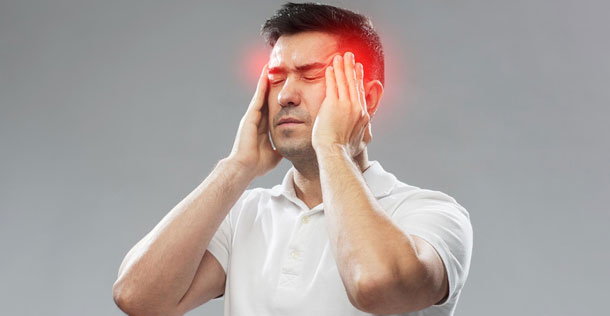
Severe Headache
A sudden, intense headache with no known cause may indicate a hemorrhagic stroke.
Loss of Balance
Difficulty walking, dizziness, or lack of coordination.
Remember the FAST Rule
A simple way to recognize stroke symptoms is the FAST method:
- F – Face Drooping: One side of the face appears uneven.
- A – Arm Weakness: One arm feels weak or numb.
- S – Speech Difficulty: Speech becomes slurred or difficult.
- T – Time to Call Emergency Services: Immediate medical care is essential.
If any of these symptoms appear, seek emergency medical help immediately.
Why the Golden Hour is Critical
The Golden Hour refers to the first hour after stroke symptoms begin. During this time, prompt medical treatment can:
- Restore blood flow to the brain
- Prevent permanent brain damage
- Improve survival rates
- Reduce long-term disability
Advanced treatments such as clot-dissolving medications or endovascular procedures can be highly effective when performed quickly.
The sooner treatment begins, the better the chances of recovery.
Treatment Options for Stroke
Modern stroke care involves advanced diagnostic and treatment techniques, including:
- Emergency brain imaging (CT or MRI scans)
- Clot-dissolving medications (thrombolysis)
- Mechanical thrombectomy (clot removal through catheter-based procedures)
- Neurocritical care monitoring
- Rehabilitation therapy for recovery
Early treatment combined with proper rehabilitation can help patients regain independence and improve quality of life.
Preventing Stroke
While some risk factors cannot be controlled, many lifestyle changes can help reduce the risk of stroke:
- Managing high blood pressure
- Controlling diabetes and cholesterol
- Maintaining a healthy diet
- Exercising regularly
- Avoiding smoking and excessive alcohol consumption
Regular medical check-ups also help detect risk factors early.
Final Thoughts
A stroke can happen suddenly and without warning. Recognizing the symptoms and acting immediately can save brain function, prevent disability, and save lives.
If you or someone around you experiences sudden neurological symptoms, do not delay seeking medical help. Quick medical intervention during the Golden Hour is crucial for the best possible outcome.
For appointment please call – +91-9657744712.