
Minimally Invasive Spine Surgery: Benefits & Recovery
Spine problems such as slipped discs, spinal stenosis, or nerve compression can cause severe back pain, leg pain, numbness, and difficulty performing everyday activities. Traditional spine surgery often required large incisions and longer recovery periods.
Today, minimally invasive spine surgery (MISS) has transformed the way many spinal conditions are treated, allowing patients to recover faster with less pain and minimal disruption to surrounding tissues.
What is Minimally Invasive Spine Surgery?
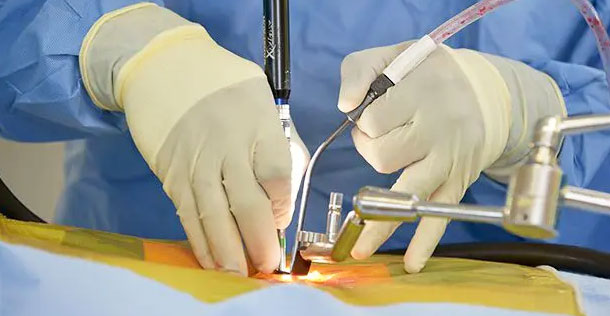
Minimally invasive spine surgery uses advanced surgical techniques, specialized instruments, and high-resolution imaging to treat spinal conditions through very small incisions.
Instead of cutting through large sections of muscle, surgeons carefully work through small pathways using microscopes, endoscopes, or robotic guidance systems to access the affected area of the spine.
This approach helps protect healthy tissues while effectively treating the underlying problem.
Conditions Treated with Minimally Invasive Spine Surgery
Minimally invasive techniques are commonly used to treat:
- Herniated or slipped discs
- Spinal stenosis (narrowing of the spinal canal)
- Degenerative spine disorders
- Sciatica caused by nerve compression
- Certain spinal fractures
- Selected spinal tumors
Your neurosurgeon will determine whether minimally invasive surgery is suitable based on the type and severity of your condition.
Key Benefits of Minimally Invasive Spine Surgery
1. Smaller Incisions
The procedure requires tiny incisions, which reduces damage to muscles and surrounding tissues.
2. Less Pain After Surgery
Because muscles and tissues are preserved, patients typically experience less postoperative pain compared to traditional open surgery.
3. Faster Recovery
Many patients recover more quickly and may return to normal activities sooner.
4. Reduced Blood Loss
Minimally invasive techniques generally involve less bleeding during surgery.
5. Shorter Hospital Stay
In many cases, patients can leave the hospital within a day or two, depending on the procedure.
6. Lower Risk of Complications
Smaller incisions and less tissue disruption help reduce the risk of infections and complications.
Recovery After Minimally Invasive Spine Surgery
Recovery time varies depending on the specific procedure and the patient’s overall health. However, most patients experience significantly quicker recovery compared to traditional spine surgery.
Typical recovery steps include:
- Early mobilization after surgery
- Gradual return to daily activities
- Physical therapy to strengthen the spine
- Follow-up consultations with the neurosurgeon
Most patients can resume light activities within a few weeks, while full recovery may take a few months.
When Should You Consult a Spine Specialist?
You should seek medical advice if you experience:
- Persistent back or neck pain
- Pain radiating to arms or legs
- Numbness or tingling sensations
- Weakness in limbs
- Difficulty walking or maintaining balance
Early diagnosis and treatment can prevent the condition from worsening.
Advanced Spine Care
Modern spine care combines microsurgical precision, minimally invasive techniques, and advanced imaging technologies to provide safe and effective treatment for spinal disorders.
Consulting a qualified neurosurgeon can help determine the best treatment plan tailored to your condition, helping you return to a healthier, pain-free life.
For appointment please call – +91-9657744712.